
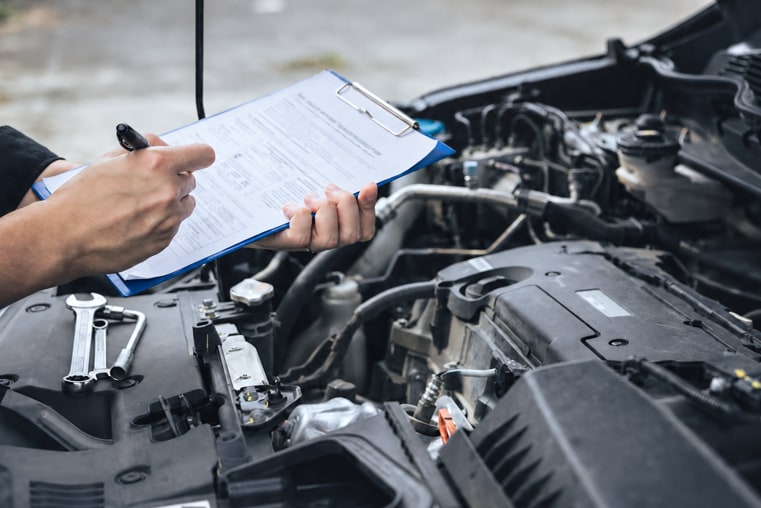
Cooler mornings and changing leaves mean it's time to think about what your car needs before winter sets in. A solid fall checklist catches small problems now, before frost, road salt, and freezing temperatures turn them into expensive headaches. Our team at Boardman Mitsubishi put this list together for drivers across Boardman and Youngstown so you can head into winter with confidence.
If you'd rather skip ahead and get your vehicle looked at, you can schedule service online anytime.
Why Fall Car Maintenance Matters in Boardman and Youngstown, OH
Northeast Ohio doesn't ease into winter gently. Temperatures swing from warm afternoons to frosty mornings within the same week, and lake-effect snow can show up earlier than drivers expect. That kind of variability is hard on a vehicle that's spent all summer running in the heat.
Running through these checks this time of year helps you catch wear that built up over the summer before it turns into a roadside problem in December. Fluids thicken, batteries lose strength, and tires that were fine in July may not have enough grip for wet, leaf-covered roads in November. Taking care of this now, rather than waiting until the first snowfall, gives you time to fix issues on your schedule instead of the weather's.
Your Fall Car Maintenance Checklist
We recommend covering the following before winter arrives in Boardman and Youngstown. Each item below is quick to check and can usually be handled during one visit to our service department.
Tire Tread and Pressure Checks
Tires are your only contact with the road, and fall is when that connection starts to matter more. AAA recommends replacing tires once tread wears below 3/32-inch, and suggests at least 4/32-inch for winter driving conditions. The U.S. Department of Transportation sets a lower bar of 2/32-inch. You can get a rough read with the classic penny test: place a penny between the tread ribs, and if you can see the top of Lincoln's head, it's time for new tires.
Beyond tread, check pressure in all four tires and the spare monthly, using a quality gauge when tires are cold. The correct PSI is listed in your owner's manual or on the sticker inside the driver's door jamb, not the number molded into the sidewall. Uneven wear across the tread can point to alignment, balance, or suspension issues worth having inspected.
It's also worth thinking about whether all-season tires are enough for your driving habits. Winter tires use a softer rubber compound and deeper tread design for better grip in cold, icy conditions that all-season tires just aren't built for. If you drive a lot in snow or on rural roads around Canfield or Austintown, our team can help you decide if winter tires make sense for you.
Battery Testing Before Cold Weather Hits
Cold is the number one cause of battery trouble. At 0°F, a battery can lose about 60% of its strength, right when your engine needs more power to start. AAA recommends testing batteries once they reach three years old, and annually after that, since most batteries last three to five years.
Beyond a load test, check that terminals and cable ends are free of corrosion and connections are tight. A battery that starts fine on a 70-degree afternoon can fail entirely on a frosty morning, so it's worth having this checked now rather than finding out the hard way.
Brake Inspections for Safer Stopping
Wet leaves and early frost make stopping distances longer, so worn brake components or low hydraulic fluid become a bigger deal in fall. If you hear grinding sounds or feel vibration when braking, that's a sign to have pads, rotors, shoes, drums, and fluid levels inspected. Catching this early keeps stopping power where it needs to be once roads get slick.
Wiper Blades, Washer Fluid, and Visibility
Most wiper blades only last about six months, and cracked or peeling blades won't clear rain and grime effectively. If your blades still look good, wiping them down with rubbing alcohol can restore some clarity. Top off your washer fluid with a winter-formula fluid before freezing temperatures arrive, since regular fluid can freeze on your windshield instead of clearing it.
Lights and Early Darkness Safety
Shorter days mean more of your driving happens in the dark. Check that headlights, brake lights, turn signals, backup lights, and hazard flashers all work properly. Aging headlight lenses tend to dim and yellow over time, so cleaning or restoring older lenses helps even if the bulb itself is fine. Don't wait for a bulb to burn out before checking; a quick walk-around now can catch issues before they become a hazard.
Fluids, Filters, and Oil Changes
Cold weather changes how fluids behave. Oil thickens in low temperatures, which reduces lubrication and increases friction and wear on engine components. Check fluid levels on flat ground after the engine has cooled, using the dipstick or tank marks, and consult your owner's manual for the correct coolant and transmission fluid specifications. Coolant needs to hold the right mixture to avoid freezing in cold weather.
While you're at it, inspect belts and hoses for cracks, leaks, fraying, or looseness. Cabin air filters should be replaced roughly every 12,000 to 15,000 miles, or at least once a year, since fall brings extra bugs, dirt, pollen, and leaf debris that clog them faster. Our certified technicians use genuine Mitsubishi OEM parts for these services, following manufacturer guidelines to keep your vehicle running the way it was designed to.
Heating, Defrost, and Alignment Checks
With the engine at normal operating temperature, confirm that both front and rear defrosters clear the glass properly. Defrost performance matters just as much as your lights and wipers when it comes to visibility on frosty mornings.
Alignment issues often show up as pulling to one side, an off-center or vibrating steering wheel, uneven tire wear, or squealing tires. Potholes and curb strikes are common culprits, and Northeast Ohio has no shortage of either once freeze-thaw cycles start.
Preparing for Rain, Leaves, and Winter Road Conditions
Youngstown sees around 43 inches of precipitation annually, and while November tends to be drier at roughly 2.5 inches spread across about 12 rainy days, wet leaves on the road create their own slick hazard even without heavy rain. That combination of moisture and debris on the road makes tire grip and visibility checks especially important this time of year.
Once temperatures start dipping below freezing overnight, our freeze-thaw cycle turns local roads into what's essentially a pothole factory. Water seeps into small cracks in the pavement, freezes, expands, and breaks the surface apart further. Hitting these potholes repeatedly puts extra stress on tie rods, ball joints, and struts, which is part of why alignment checks matter heading into winter.
Road salt is another factor drivers in Boardman and Youngstown deal with every winter. It keeps roads clear, but it's corrosive to a vehicle's undercarriage over time. Cleaning the undercarriage within 30 days of winter's end helps limit that damage.
If your vehicle is one of Mitsubishi's AWD models with AWC, All-Wheel Control, inspections should be handled by factory-trained technicians familiar with the torque distribution and sensor systems specific to that setup. Our team has that training, so AWD inspections get the attention they actually need rather than a generic once-over. You can schedule service online before the roads turn.
Building an Emergency Car Kit
Fall and winter driving in this area calls for keeping an emergency kit in your car, no matter how well-maintained your vehicle is. A well-stocked kit includes a blanket and warm clothing, an ice scraper and snow brush, jumper cables, a flashlight with extra batteries, non-perishable snacks and bottled water, road flares or reflective triangles, a phone charger, a first aid kit, traction sand or non-clumping kitty litter, de-icer, and a basic toolset. Building this kit in fall and restocking it as needed means you're not scrambling to find supplies during the first cold snap.
Quick-Reference Checklist Recap
Save or screenshot this recap before your appointment:
-
Check tire tread depth and pressure, and consider winter tires if you drive in heavy snow
-
Have your battery tested, especially if it's three years or older
-
Inspect brake pads, rotors, and fluid for safe stopping power
-
Replace worn wiper blades and switch to winter washer fluid
-
Test all exterior lights and clean or restore dim headlight lenses
-
Check oil, coolant, and transmission fluid levels, and replace the cabin air filter
-
Confirm defrosters work properly and check for alignment issues
-
Pack or restock your emergency car kit for winter driving
Check Current Service Specials Before Winter
Before you head into your appointment, it's worth checking our current service specials. We regularly update deals on parts and services, so check back periodically, print out any offer that applies to your vehicle, and present it at the dealership when you arrive. If the cost of multiple services at once feels like a lot to take on, we also offer service financing to help spread out the expense.
Getting your vehicle ready for a Northeast Ohio winter doesn't have to be complicated. Work through this checklist, bring your vehicle in for a full inspection, and you'll be set for whatever the season brings. We're here to help drivers throughout Boardman and Youngstown get there.
Schedule Your Fall Service at Boardman Mitsubishi
Once you've gone through this checklist, the easiest next step is having a professional take a closer look. Our certified service team handles oil changes, tire rotations, brake inspections, battery checks, and fluid service, and we can typically cover a multi-point inspection in one visit, which saves you time compared to spreading these checks across several appointments.
Book before temperatures start regularly dropping below freezing in our area. Once the cold settles in, service schedules tend to fill up fast with drivers dealing with the same battery and tire concerns at once, so getting ahead of that means shorter wait times and no scrambling.
Documented service records also matter more than most drivers realize. Certified, documented maintenance can support future warranty claims if an issue comes up down the road, giving you a paper trail that shows the vehicle was properly cared for.
Our service department is located at 883 Boardman Canfield Road in Boardman, Ohio, and we're open Monday through Friday from 8 a.m. to 5 p.m. We serve drivers throughout Boardman, Youngstown, Austintown, Canfield, and the surrounding Northeast Ohio communities. If you have questions before booking, feel free to reach out through our contact form.