
- Check wheel wells and rocker panels where salt and slush accumulate most.
- Distinguish between cosmetic surface rust and dangerous, flaky structural rot.
- Listen for clunks during test drives to identify hidden pothole suspension damage.
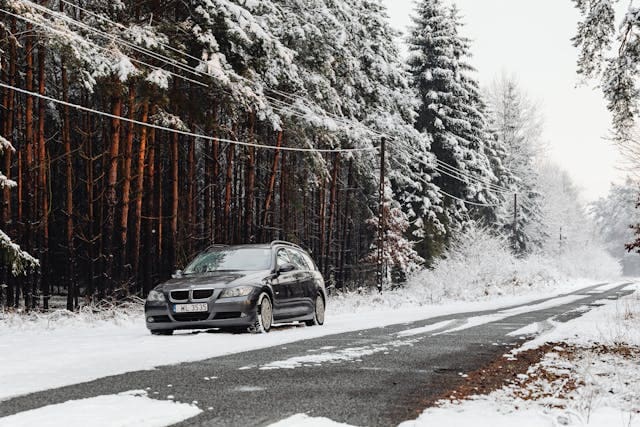
Living in Boardman in the Mahoning Valley means dealing with harsh winters and roads that show it. When you’re shopping for a used car in the area, knowing how to spot the damage caused by years of road salt, slush, and potholes is crucial for making a smart investment—especially if you’re focused on Common signs of rust and wear on used vehicles in the Rust Belt/Ohio region. Around here, a clean-looking exterior doesn’t always tell the full story. One winter of salty spray on Route 224, a few freeze-thaw cycles, and a couple of rough hits on a cratered side street can leave clues underneath that you’ll want to catch before you buy.
This guide is meant to help you do a quick, real-world inspection the way local drivers actually shop—thinking about winter snow and ice, spring potholes, and even the surprise hail that comes with severe thunderstorms and tornado-season weather shifts.
Why Ohio Winters Are a Used Car's Worst Enemy
If you’ve driven I-680 after a storm or taken Route 224 when the plows have been busy, you’ve seen the white crust that builds up on the road. That’s salt (and often liquid de-icers), and it’s incredibly corrosive once it mixes with melting snow and slush. The result is a chemical brine that gets flung into wheel wells, packed into seams, and sprayed all over the underbody—exactly where you can’t easily see it during a casual walk-around.
Here’s the other piece people underestimate in Northeast Ohio: the constant freeze-thaw cycle. In the Youngstown area, temperatures bounce above and below freezing all season. Moisture works into tiny paint chips, under trim, and into undercoating nicks—then expands when it freezes. That repeated swelling and shrinking can open up cracks and let rust start from the inside out. It’s the same weather pattern that turns decent pavement into pothole city by late winter.
That same rough-pavement problem can start before you even leave home. If winter leaves your driveway with potholes, broken edges, or an uneven garage approach, your tires and suspension are taking small hits every time you pull in and out. Homeowners may want to take a few minutes to check the driveway after winter, especially once the snow and salt clear.
This is why Common signs of rust and wear on used vehicles in the Rust Belt/Ohio region show up earlier on cars that have lived their whole life here compared to vehicles from drier climates. None of this means you should avoid local used cars—it just means you should shop like a local: check the places salt collects, look for repairs that hide corrosion, and assume winter driving left some evidence.
And because our weather can get serious fast—tornado warnings in spring and summer, hail during severe thunderstorms—it’s smart to think beyond rust too. A car can look great until you notice small hail dings on the hood or roof under the right light.
Your 5-Minute Visual Rust Inspection Checklist
You don’t need to be a technician to do a useful rust check. You just need a plan, a phone flashlight, and the willingness to get a little low to the ground. If you’re searching for used cars Boardman shoppers can trust, this quick routine helps you filter out the worst candidates before you fall in love with the test drive.
Where to Look for Hidden Corrosion
- Rocker panels (below the doors): These get hammered by salty spray. Look for paint bubbling, flaking, or crunchy texture along the seam.
- Wheel wells and fender lips: Run your eyes along the inner edge. Rust often starts where road debris chips the paint.
- Bottoms of doors and trunk lid: Water can pool inside. Check for swelling, blistering, or discoloration along the lower edge.
- Frame rails and subframe: Use your phone flashlight and look for heavy scaling, flaking layers, or holes—this is where “cheap” can become dangerous.
- Exhaust and suspension parts: Some surface rust is normal, but extreme corrosion on control arms, brackets, or fasteners can mean expensive repairs later.
Surface Rust vs. Structural Rot
Surface rust is usually a thin orange-brown film on parts like the exhaust or some suspension components. It can look ugly but often isn’t immediately dangerous. Structural rot is different: thick, flaky, layered metal (sometimes you can peel it) on frame areas, subframes, or mounting points. If you see that kind of scaling, treat it as a major red flag—especially for vehicles that have seen years of winter salt damage.
If you’re still narrowing down options, it can help to start with models known for long-term durability. Here’s a useful list of reliable used cars under $15,000 to consider before you go deep on inspections.
And yes—this is exactly where Common signs of rust and wear on used vehicles in the Rust Belt/Ohio region show up first: rocker panels, wheel wells, and anything underneath that catches salty slush.
Beyond Rust: Spotting Pothole-Related Wear
Rust is the headline issue in our region, but potholes are the day-to-day budget killer. Between freeze-thaw damage and heavy traffic patterns, it doesn’t take long for rough patches to form—especially after winter snow and ice. Add in seasonal congestion (state fair traffic heading out of town, harvest season traffic with heavier trucks on the roads), and you get more broken pavement and more sudden impacts.
On a test drive, listen closely when you roll over bumps or uneven pavement. Clunking, rattling, or popping can point to worn suspension parts like sway bar links, struts, or ball joints. If the car feels “loose” or unsettled after a bump, that’s another clue something’s tired underneath.
- Uneven tire wear: If the inside or outside edges are worn more than the center, alignment may be off—often from repeated pothole hits.
- Steering feel: With the car stationary, turn the wheel left to right. Excessive play, clicking, or groaning can signal worn steering components.
- Pulling on a flat road: If it drifts to one side, you may be looking at alignment or suspension issues that deserve a closer look.
If you notice any of those signs, it’s worth getting a professional opinion before you commit. A quick inspection by our professional service department can confirm whether you’re dealing with a simple alignment or something more involved.
The Dealership Advantage: Transparency and Peace of Mind
Private-party deals can look great on paper, but in the Mahoning Valley they come with extra risk—because you’re not just buying a car, you’re buying its winters. If the seller doesn’t have detailed records, you may not know how often it was washed in winter, whether it sat through salty slush without being rinsed, or if rust was patched up right before listing.
At a dealership like Boardman Mitsubishi, every vehicle in our used inventory goes through an inspection process. That matters here because we specifically look for the kinds of issues local drivers run into: winter salt damage, underbody corrosion, and wear that can come from pothole-heavy roads.
If you want an even higher level of assurance, consider our certified pre-owned options. These vehicles must meet stricter standards and pass a more rigorous multi-point inspection to qualify, which helps reduce the “unknowns” that come with Rust Belt shopping.
And if you’re comparing body styles for winter practicality—like AWD vs. 4WD SUVs for Ohio winters—starting with a well-documented inspection report makes the decision clearer. To learn more about how we approach pricing and the buying experience, you can also Explore Boardman No-Haggle Pricing.
Key Takeaways for Boardman Used-Car Shoppers
- Always inspect the undercarriage, especially the frame and wheel wells, for flaky, structural rust.
- Listen for clunking on local roads during a test drive—it can signal pothole-related suspension damage.
- A multi-point inspection adds transparency and can help you avoid hidden costs that sometimes come with private sales.
If you’re shopping in Boardman and want to narrow your search to vehicles that have been properly inspected, start by browsing our View Inspection Process Details and see what’s currently available. It’s a practical next step before you spend weekends chasing listings—and it helps you focus on vehicles that make sense for Ohio winters, potholes, and everything our weather throws at us.
Frequently Asked Questions
What's the difference between a standard used car and a Mitsubishi CPO vehicle?
A Mitsubishi Certified Pre-Owned (CPO) vehicle is typically a late-model, lower-mileage option that has to pass a comprehensive 123-point inspection. It also includes factory-backed warranty coverage that a standard used car usually doesn’t come with. In practical terms, CPO is designed for shoppers who want fewer surprises—especially helpful when you’re watching for common signs of rust and wear on used vehicles in the Rust Belt/Ohio region. If you want a deeper breakdown, see what makes a Mitsubishi CPO different from a typical used car in Boardman.
Does Boardman Mitsubishi inspect for rust on all its used cars?
Yes. Serving drivers across the Youngstown area means we’re very familiar with what road salt does over time—especially on undercarriages, frame rails, subframes, and body seams. Our technicians check for significant corrosion as part of our standard intake and inspection process. If you’re comparing options like used Mitsubishi cars and SUVs, or looking at heavier-duty options like trucks, rust inspection is a must either way.
Is an undercoating worth it for cars in Ohio?
For most Ohio drivers, yes—especially if you plan to keep the vehicle for several years. An annual oil-based rust-proofing treatment can be very effective because it creates a barrier that repels salt and moisture and can creep into seams. Factory undercoatings are helpful, but they can chip from gravel and pothole impacts, so yearly inspections and touch-ups are a smart habit. Pair it with regular winter washes (including the underbody) and you’ll slow down corrosion significantly.
Are newer cars more rust-resistant than older ones?
Generally, yes. Newer vehicles tend to use more galvanized steel, aluminum, and improved coatings compared to older models, so they often resist corrosion better. But no car is immune to salty roads and slushy brine, especially if it’s driven daily through winter snow and ice. Even on newer models, it’s still wise to do periodic visual checks and keep up with winter cleaning. If you’re buying higher mileage, this Used High-Mileage Maintenance Checklist is a helpful companion read.
What are the first parts of a car to show rust?
The first areas are usually the ones that get blasted by road spray or trap moisture: wheel wells, rocker panels under the doors, the subframe, and the bottoms of doors and fenders. In our area, those spots take a beating from winter salt and gritty slush—so they’re the best places to focus your flashlight during a quick check. Catching early rust there can help you avoid bigger repairs later.
Photo by www.kaboompics.com on Pexels. Free to use under the Pexels License.
Categories:
Social