
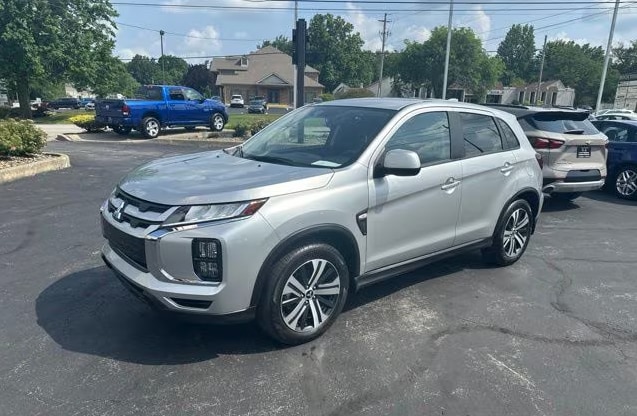
Shopping for a pre-owned vehicle sounds simple until you realize there are three distinct categories to choose from. Used, Certified Pre-Owned, and bargain inventory each carry a different balance of price and buyer protection, and knowing which is which directly affects what you spend, what coverage you get, and how much risk you're taking on. Once you've got a handle on the differences, you can browse our used inventory or explore our Certified Pre-Owned vehicles to see what's currently available at Boardman Mitsubishi.
What Do Used, CPO, and Bargain Inventory Actually Mean?
At the most basic level, these three labels describe how a vehicle has been evaluated and priced before it reaches you. A standard used car is typically sold with minimal dealer involvement beyond a basic safety check. A Certified Pre-Owned vehicle has been formally inspected, reconditioned, and approved under a manufacturer program with specific eligibility requirements. Bargain inventory sits at the lower end of the price range (under $20,000): vehicles priced to move, often because of age or cosmetic wear that disqualifies them from higher-tier status.
The distinction matters because the same 2018 sedan could realistically appear in any of these categories, depending on its mileage and condition and how the dealer chooses to prepare it for sale.
Standard Used Vehicles: The Most Flexible Option
Standard used vehicles are the broadest category in any dealership's inventory. They span a wide range of makes, models, and model years, which gives buyers plenty to choose from. That flexibility comes with a responsibility to do your homework.
What to Expect in Terms of Condition and History
A standard used car can be a low-mileage, single-owner vehicle in excellent shape, or one that has changed hands multiple times with deferred maintenance in its past. Condition varies significantly, and dealer preparation may be limited to a basic inspection rather than a full reconditioning process. This is why pulling a vehicle history report and reviewing maintenance records matters so much in this segment.
Pricing reflects that variability. You'll generally find lower sticker prices here compared to Certified Pre-Owned options of similar age and mileage, but that gap exists for a reason. At Boardman Mitsubishi, every used vehicle is thoroughly inspected before it goes on sale, which adds a layer of reassurance not every dealer provides as a baseline.
Who Standard Used Cars Work Best For
Standard used vehicles appeal most to buyers who are comfortable doing research, comparing options, and accepting some uncertainty in exchange for a lower price. They work well if you're mechanically savvy, if you have a trusted mechanic who can look a vehicle over before you commit, or if you're after a specific make or model that doesn't appear in the CPO or bargain tiers. Buyers on tighter budgets who still want variety will find this category hard to beat.
Certified Pre-Owned Vehicles: Added Confidence at a Higher Price
A CPO vehicle has cleared a formal eligibility process and carries documented proof of its condition. This is the category that sits between buying used and buying new, offering near-new reliability without the new-car price tag.
CPO Eligibility: What Actually Qualifies a Vehicle
Not every used car qualifies for CPO status, and that's the point. Our Mitsubishi CPO program requires vehicles to be less than five years old with fewer than 60,000 miles. Each vehicle must also pass a rigorous 123-point inspection. If a car is too old, has too many miles, carries a salvage title, or shows structural damage, it won't qualify. That's why a high-mileage trade-in or a vehicle needing significant reconditioning may be better suited for standard used or bargain inventory instead.
Warranty Coverage and Financing
One of the most tangible CPO advantages is warranty coverage. Our Mitsubishi CPO program includes manufacturer-backed extended limited warranty protection that picks up where the original factory warranty left off, along with roadside assistance. That's largely what buyers are paying the premium for: documented coverage to fall back on if something goes wrong.
Financing terms for CPO vehicles can also differ from standard used options. CPO programs sometimes come with more favorable rates depending on your credit, the lender, and current inventory. It's worth asking our finance team to model the difference when you're comparing options, since a slightly higher vehicle price with better financing could end up costing less overall.
Who CPO Is the Right Fit For
If you're financing a vehicle for several years, relying on it daily in Youngstown and Boardman traffic and weather, or simply don't want to stress about mechanical surprises, a Certified Pre-Owned car is worth considering seriously. For buyers who want a newer model with lower mileage and documented protection without the depreciation hit of a brand-new purchase, CPO offers a solid middle ground.
Bargain Inventory: Lower Prices With Eyes Open
Bargain inventory is the most misunderstood category on the lot. These aren't problem vehicles that dealers are trying to quietly offload. The lower prices do reflect a real trade-off, though, and going in with clear expectations is essential.
How Vehicles End Up in Bargain Inventory
A vehicle might land in bargain inventory for several reasons. It could be an older model with higher mileage that doesn't meet CPO age or mileage thresholds, or it might have minor cosmetic issues like small dents or scratches that aren't worth the reconditioning cost to address before sale. Some vehicles arrive as trade-ins in conditions that make them better suited for a lower price tier rather than a standard used or CPO listing.
This also explains why a dealership might not certify a car: sometimes the economics don't support it. If putting a vehicle through a certification process would cost more than the price premium it could command, bargain inventory offers a more transparent path to sale. It's a practical pricing decision, not a sign of hidden damage.
Who Should Consider Bargain Inventory
Bargain inventory suits buyers prioritizing the lowest possible upfront cost who are comfortable doing their due diligence. Review vehicle history reports and assess service needs carefully before committing. Financing availability can vary for older, higher-mileage vehicles, so it's worth discussing your options with our finance team early in the process. This category works well for someone who needs an inexpensive second car for short commutes, a first vehicle for a new driver, or something temporary while saving toward a bigger purchase.
Used vs. CPO vs. Bargain Inventory: A Side-by-Side Comparison
When you lay the used vs. Certified Pre-Owned vs. bargain inventory comparison out side by side, the differences become much clearer.
| Category | Typical Mileage/Age | Inspection Level | Warranty/Program Support | Financing Options | Best For |
|---|---|---|---|---|---|
| Standard Used | Varies widely | Basic dealer inspection | Optional protection plans available | Standard used vehicle financing | Wide selection, flexible budget, specific model searches |
| Certified Pre-Owned | Under 60,000 miles, under 5 years | 123-point manufacturer inspection | Manufacturer-backed extended warranty + roadside assistance | May include program financing options | Daily drivers, multi-year financing, buyers prioritizing coverage |
| Bargain Inventory | Often higher mileage or older | May receive less reconditioning | Limited or as-is coverage | Varies; discuss with finance team | Lowest upfront cost, second vehicle, first car, budget-focused buyers |
How to Choose Based on Your Situation
Your budget is the starting point, but it shouldn't be the only consideration. Think about what this vehicle needs to do for you day to day and how much uncertainty you can comfortably manage.
If you're financing a vehicle for three to five years, stretching slightly for a CPO may cost you less stress than saving a few hundred dollars upfront on a standard used car with an unclear history. On the other hand, if you're paying cash for a second vehicle and you're handy with cars, bargain inventory might offer the best overall return.
Standard used cars make the most sense when you have a specific vehicle in mind that doesn't appear in CPO inventory, when you want more variety in make and model, or when you're confident in your ability to evaluate condition independently. The difference between used and Certified Pre-Owned often comes down to documentation and coverage, not necessarily the physical quality of the vehicle itself.
Think about total cost of ownership before you decide. A bargain vehicle that needs repairs in the first year may end up costing more than a CPO that came with warranty coverage. Run the full numbers before you commit.
Explore All Three Inventory Types at Boardman Mitsubishi
We carry all three inventory types at our dealership at 883 Boardman Canfield Rd., Boardman, OH 44512. Our team works to keep the process straightforward and pressure-free, so you can compare options without feeling pushed toward any particular category.
You can browse our used inventory for the widest selection of makes and models, or explore our Certified Pre-Owned vehicles if you want the added confidence of the Mitsubishi CPO program. Our finance team can help you model out payments across different vehicle tiers, and vehicle protection plans are available to add coverage to standard used or bargain purchases.
If you have questions about which inventory type fits your situation, contact us directly and we'll work through the decision with you. There's no single right answer for every buyer, but with the right information, finding the right vehicle gets a lot easier.
Categories:
Pre-Owned Inventory