
Shopping for a used vehicle that saves fuel without breaking the bank puts hybrid technology near the top of most buyers' lists. Better fuel economy, lower emissions, and a smoother ride than a comparable gas-only vehicle all make the category appealing. But buying a used hybrid comes with real questions about battery life, maintenance costs, and which models actually hold up over time. Before you commit to a purchase, here's what you should understand.
Why Used Hybrids and PHEVs Are Smart Buys Right Now
Used hybrid vehicles have matured significantly as a market. Early adopters paid premium prices for first-generation technology, which means today's shoppers benefit from years of development at a fraction of the original sticker price. Models that have been on the road for a decade or more have real-world reliability data behind them, and many still perform close to their original fuel economy ratings.
The used PHEV segment adds another layer of value. Many original owners used federal or state tax credits to offset purchase prices, which sometimes pushes resale values lower in your favor as a secondary buyer. That pricing gap is a genuine advantage over buying new.
Hybrid vs. Plug-In Hybrid: Key Differences for Used Car Shoppers
A conventional hybrid generates electricity through regenerative braking and the internal combustion engine. You never plug it in. Fuel savings come primarily at lower speeds and in stop-and-go traffic, where the electric motor carries more of the load.
A plug-in hybrid, or PHEV, uses a larger battery you charge externally, giving the vehicle meaningful electric-only range before the gas engine takes over. For daily commuters who drive moderate distances, a PHEV can dramatically reduce fuel costs. The trade-off is a higher original purchase price and the added consideration of battery condition when buying used. PHEV efficiency after battery depletion varies by model, so charging access and driving habits matter when you evaluate real-world savings.
This distinction shapes both your budget and your inspection checklist. Knowing which type fits your driving pattern before you shop saves time and helps you evaluate candidates more accurately.
What to Evaluate When Shopping Used Hybrid Models
Buying a used hybrid isn't dramatically different from buying any used vehicle, but a few areas deserve closer attention. The powertrain is more complex, the battery is a depreciating component with finite life, and the service history can reveal how well the previous owner understood the car's needs.
Battery Condition and Remaining Life
The hybrid battery is the component most buyers worry about, and reasonably so. It's expensive to replace and difficult to assess without the right tools. Real-world outcomes vary based on climate, charging habits for PHEVs, and how the car was driven.
When inspecting any used hybrid, ask about battery diagnostics. A qualified technician can pull data on remaining capacity and check for degraded cells. It's also worth confirming whether any federal or EPA warranty coverage still applies. Federal law requires hybrid and EV batteries to be warranted for at least 8 years or 100,000 miles. For PHEVs specifically, the EPA requires high-voltage battery warranty coverage for 8 years or 80,000 miles. On certified pre-owned hybrids, battery inspections are typically part of the certification process, which adds meaningful peace of mind.
Pay attention to climate history as well. Batteries in extreme heat or persistent cold may degrade faster than those used in moderate conditions. Northeast Ohio winters and frequent short trips around Boardman and Youngstown can reduce electric range below what the window sticker suggests, so confirm actual performance rather than relying solely on EPA estimates.
Service History, Maintenance Records, and Recall Status
Hybrid vehicles require the same routine maintenance as conventional cars. One advantage is that regenerative braking reduces wear on physical brake pads, which often last considerably longer than on traditional vehicles. Maintenance neglect does show up over time, though, so a complete service history matters.
Ask for maintenance records and run the VIN through the NHTSA database to check for outstanding recalls. Recall repairs are typically performed free of charge by dealerships, but a vehicle with an unresolved recall should give you pause. Reputable dealers address these issues before listing a vehicle for sale, which is one reason buying from an established dealership tends to carry less risk than a private party transaction.
Real-World Fuel Efficiency on Higher-Mileage Hybrids
Whether a higher-mileage hybrid still delivers on its fuel economy promises is a common question. For the most part, yes. Battery degradation can reduce efficiency on plug-in models, and deferred maintenance on the combustion side will eventually show up, but the electric motor and regenerative systems in most well-maintained used hybrids hold up well.
On a test drive, pay attention to how smoothly the transition between electric and gas power feels. Hesitation, unusual engine cycling, or a drop in the estimated fuel economy display can all signal underlying issues. For standard hybrids, fuel economy close to the original EPA ratings is a good sign the powertrain is still in solid health.
Reliability and Long-Term Ownership Costs
What Hybrid Powertrain Reliability Actually Looks Like
The hybrid powertrain, particularly in models from manufacturers with long hybrid development histories, has proven to be one of the more durable configurations on the road. The electric motor has far fewer moving parts than a combustion engine, so there's simply less that can wear out. Owners of high-mileage used hybrids frequently report fewer major repairs than they experienced with equivalent gas-only vehicles.
Reliability does vary by make, model, and generation. First-generation versions of any hybrid model tend to have more quirks than later ones. Look for models that have been on the market for several generations, since these benefit from iterative improvement over time. Consumer Reports and CarMax both emphasize researching reliability by model and year rather than assuming all used hybrids age equally.
Insurance, Maintenance, and Battery Replacement
Insurance for hybrid vehicles tends to run slightly higher than for comparable gas-only models due to the higher cost of parts and repairs, though the gap has narrowed as hybrid technology has become more mainstream. Shopping around for quotes specific to the model you're considering is worth the time.
Routine maintenance costs are often comparable to or lower than those for conventional vehicles. The significant potential cost is battery replacement, which varies widely by model and manufacturer. On vehicles still under the original warranty, this risk is largely covered. On older models outside of warranty, factor a potential replacement into your overall budget. A used hybrid can still offer strong value with that cost in mind, as long as you inspect carefully and buy at the right price.
If you want to explore what's currently available while you research, browse our used cars, trucks, and SUVs to see the range of options in our Boardman lot.
Resale Value: Why It Matters Even When You're Buying Used
Used hybrids tend to hold their value better than average vehicles, partly because of sustained demand for fuel-efficient options and partly because strong reliability records keep them desirable. A model with a solid resale history means you're buying something that won't crater in value the moment you drive away.
For used PHEV buyers, resale value trends are worth watching. Federal tax credit structures for new PHEVs have historically pushed some buyers toward new rather than used, which can suppress used PHEV values in the short term. This works in your favor at purchase but could moderate future resale if incentive policies shift. NJ State Auto notes that strong resale can lower total ownership cost and signals broad market demand, but treat it as one factor alongside reliability and condition rather than a substitute for either.
Used PHEVs Worth Watching: The Mitsubishi Outlander PHEV as an Example
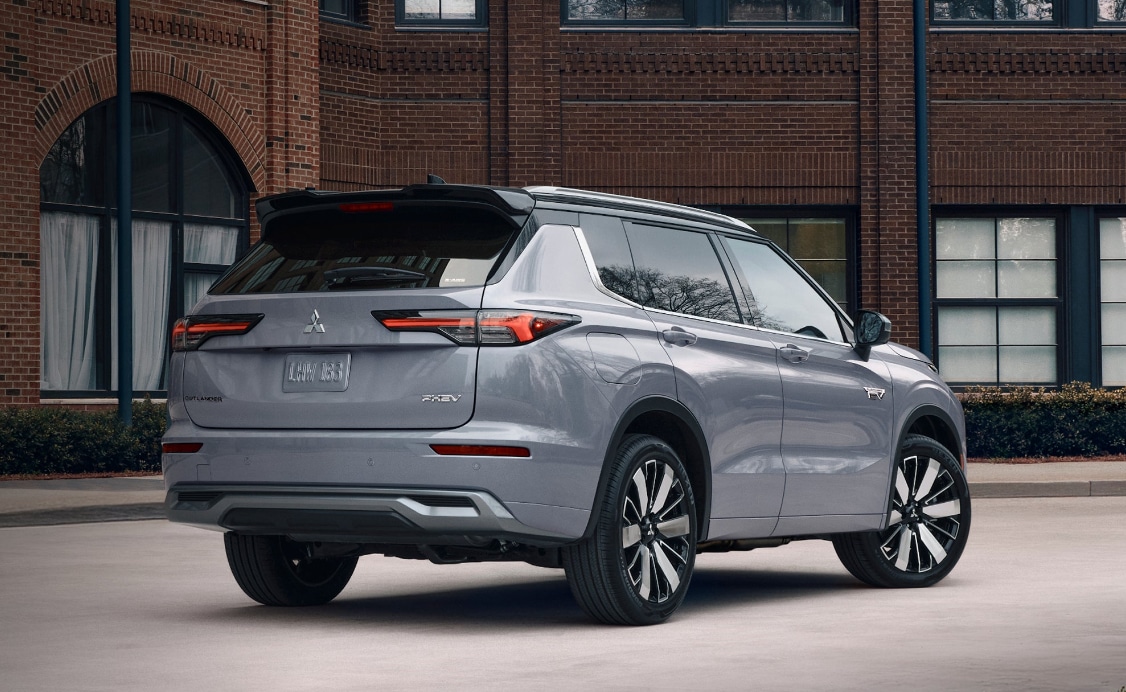
Among used plug-in hybrids worth evaluating, the Mitsubishi Outlander PHEV stands out as a practical option for buyers seeking an SUV with genuine electric capability. It seats seven, offers S-AWC (Mitsubishi's all-wheel control system) as a standard feature, and provides the flexibility of a gas engine for longer trips. The current-generation variant has earned multiple industry awards, including the 2026 Family Green Car of the Year from Green Car Journal. For drivers dealing with Northeast Ohio winters around Youngstown and Boardman, S-AWC is a practical advantage worth considering.
As with any used PHEV, the right evaluation approach applies: check battery condition and charging history, review service records, confirm recall completion, and arrange a pre-purchase inspection by a qualified technician. You can see available used Mitsubishi models on our lot if the Outlander PHEV fits your criteria.
How to Inspect a Used Hybrid Before You Commit
A thorough pre-purchase inspection protects your investment regardless of which model you're considering. Use this checklist when you get to the lot:
-
Start the vehicle cold and listen for unusual noises
-
Confirm smooth transitions between electric and gas power
-
Check for dashboard warning lights or battery fault indicators
-
Review service history and maintenance records
-
Run the VIN through NHTSA to verify all recalls are resolved
-
Inspect tire condition and brake feel, including regenerative braking response
-
Request a battery and hybrid-system diagnostic scan using OBD-II or manufacturer tools
-
Test all charging equipment on any PHEV
-
Review the vehicle history report for accident or flood damage
-
Arrange a pre-purchase inspection by a qualified technician before finalizing
Buying from a dealership that performs multi-point inspections before listing vehicles significantly reduces this burden. Transparent vehicle history reports, accessible service records, and a willingness to answer specific questions about the hybrid system are all signs you're working with a trustworthy seller.
Find Your Next Used Hybrid at Boardman Mitsubishi
Boardman Mitsubishi serves the Youngstown and Boardman, Ohio area with pre-owned inventory that includes thoroughly inspected vehicles across a range of makes and models. Our team's approach prioritizes transparency and low-pressure guidance, which matters when a purchase has as many moving parts as a used hybrid.
Our service center is staffed by certified technicians who can perform hybrid battery diagnostics, multi-point inspections, and any maintenance or repair work needed before or after your purchase. Vehicle protection plans are available for used purchases, and flexible financing options help you understand exactly what your purchase will cost before you finalize anything.
If you're ready to explore your options or have questions about a specific vehicle, we're here to help. Stop by at 883 Boardman-Canfield Rd in Boardman, Ohio, or call us at (330) 726-2668.
Categories:
Pre-Owned Inventory