
Choosing between a hybrid, plug-in hybrid, and gasoline vehicle used to feel simple. Now, with more options on the market and real differences in how each powertrain behaves day-to-day, the decision deserves a closer look. If you're driving around Boardman, commuting into Youngstown, or heading out on longer Ohio road trips, the right powertrain can make a real difference to your wallet and daily routine. If you're already curious about what we carry, feel free to browse our new inventory while you read.
How Each Powertrain Works: Hybrid, Plug-In Hybrid, and Gasoline Explained
Each powertrain operates differently, and those differences shape everything from your fuel costs to how you handle a cold January morning in northeastern Ohio.
How a Standard Hybrid Works
A standard hybrid pairs a conventional gasoline engine with an electric motor and a small battery pack. When you brake, the system captures kinetic energy and stores it through regenerative braking. That stored energy then assists the engine during acceleration and low-speed driving, reducing fuel consumption, especially in stop-and-go traffic.
You never plug a standard hybrid in. The battery charges itself entirely through driving and braking, which makes ownership feel nearly identical to a gas car. All hybrids need to be plugged in is a common misconception worth clearing up, since that's specific to plug-in hybrids, not standard ones.
How a Plug-In Hybrid Works
A plug-in hybrid electric vehicle (PHEV) builds on the standard hybrid concept with a significantly larger battery that you can charge from an external power source, whether a standard household outlet or a dedicated charging station. That bigger battery provides meaningful all-electric range before the gasoline engine engages at all.
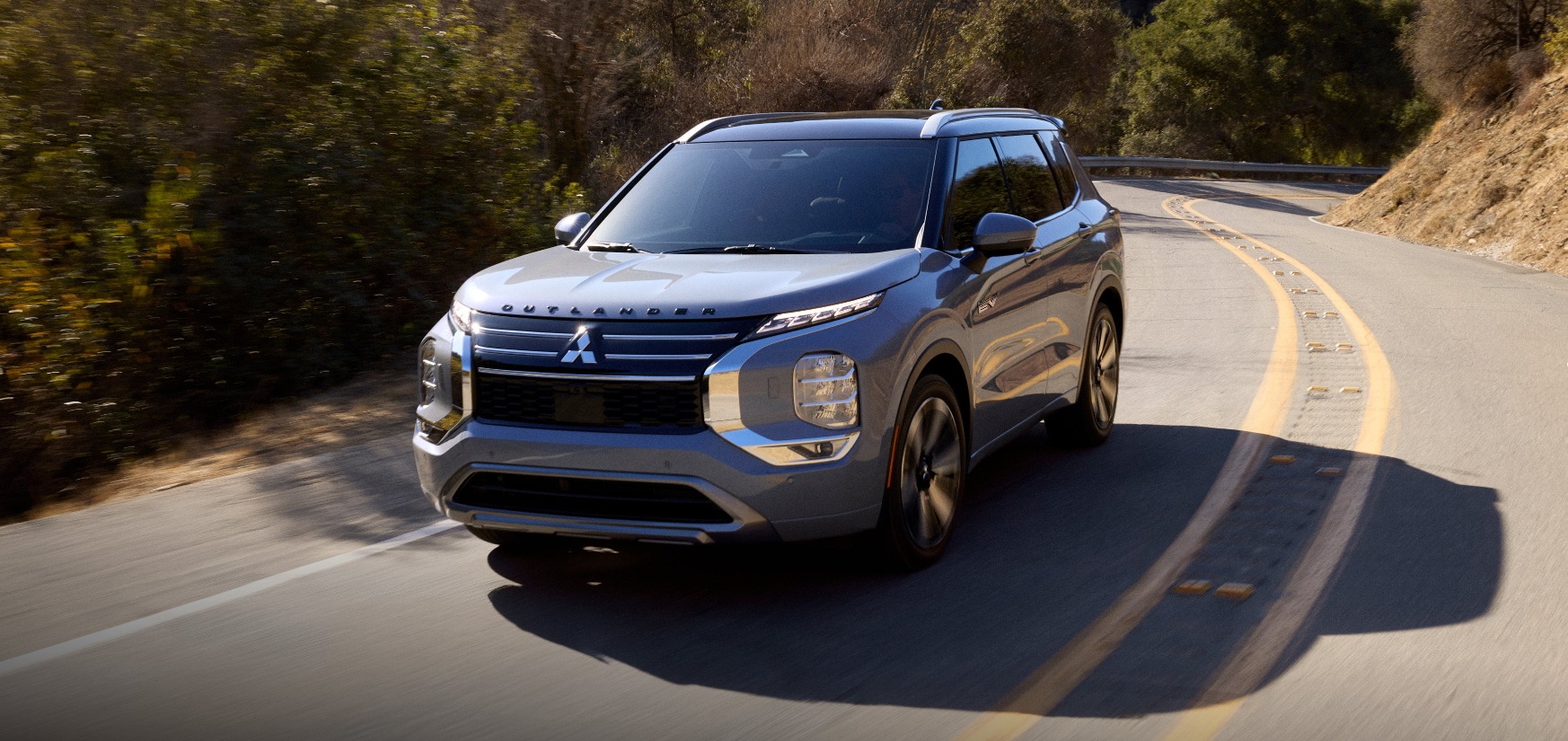
Mitsubishi engineered the Mitsubishi Outlander PHEV to deliver 45 miles of electric-only range and 73 MPGe combined, making it a practical choice for everyday errands and shorter commutes. Once the battery depletes, it shifts to gasoline-assisted power without any input from the driver. People who charge regularly can go days without visiting a gas station for typical daily driving.
How a Gasoline Vehicle Works
A gasoline vehicle uses an internal combustion engine as its sole power source. It's the most familiar setup for most drivers and benefits from a well-established refueling infrastructure across Ohio and beyond. Gas vehicles don't manage battery systems, which traditionally makes them simpler to maintain. The trade-off is that they extract no energy from braking and consume fuel at every moment the engine runs.
Hybrid vs. Plug-In Hybrid vs. Gas: A Side-by-Side Comparison
When you put all three options side by side, the practical differences become clearer. The table below captures what matters most for everyday decisions:
| Hybrid | Plug-In Hybrid (PHEV) | Gasoline | |
|---|---|---|---|
| How it drives | Gas engine + electric motor, blends automatically | Electric-only up to battery limit, then hybrid mode | Gas engine only |
| Charging needed? | No, charges itself while driving | Yes, plugging in maximizes fuel savings | No |
| Best known for | Fuel savings with no behavior change | Low fuel costs for short daily trips | Simplicity, long-range flexibility |
| Tradeoffs | Less electric range than PHEV | Higher upfront cost, savings depend on charging access | Higher ongoing fuel costs |
The hybrid vs. PHEV trade-off ultimately comes down to charging access and how far you drive each day. The hybrid vs. gas comparison tends to hinge on fuel savings versus simplicity. If you'd like to talk through how these options map to your situation, contact our team anytime.
What Charging Actually Looks Like for Boardman and Youngstown PHEV Drivers
For most drivers in this area, PHEV charging is straightforward. The most practical setup is overnight charging at home using a standard 120-volt outlet. A full charge on a standard outlet takes less than 8 hours, which works well when you plug in before bed and drive in the morning. If you want faster results, a Level 2 charger (240 volts, similar to a dryer outlet) can be installed in a garage and cuts that time significantly. Public charging stations are also growing across the Youngstown metro area.
One important note: if you don't plug in regularly, a PHEV loses much of its fuel-savings advantage. It will still function like a hybrid, but you won't get the full benefit of having a larger battery. For many Boardman-area commuters, their typical daily driving falls well within the vehicle's electric range, which is where the savings really add up.
How Your Daily Commute and Driving Habits Should Shape Your Choice
The honest answer to "should I buy a hybrid or gas car" often comes down to how and where you drive. Whether you can charge at home, how far you commute, and how often you make those trips are the factors that actually matter.
Short Daily Commutes: Where PHEVs Shine
If your daily drive is relatively short, a PHEV can deliver most of your miles in electric mode. Fuel costs drop noticeably, emissions during typical use decrease, and you still have a gas engine for the days you need it. For Boardman and Youngstown commuters who work locally or make frequent short trips around town, the ability to handle a typical Tuesday entirely on electricity and then drive comfortably to Cleveland or Pittsburgh on the weekend is a genuinely useful combination.
Longer Drives and Road Trips: Gas and Hybrid Flexibility
For drivers who regularly travel longer distances, gas vehicles and standard hybrids have clear advantages. Gas stations are everywhere along Ohio's major routes, refueling takes minutes, and there's no overhead of planning around charging stops.
A hybrid handles longer drives efficiently by blending gasoline and electric power. PHEVs can handle road trips, but if most of your driving is highway miles, you may spend less time in electric mode, which reduces one of the PHEV's main selling points. In that scenario, a standard hybrid often ends up being the better fit.
Ohio Weather and How It Affects Each Powertrain
Northeastern Ohio winters are not gentle on vehicles. When temperatures drop, lithium-ion batteries lose some efficiency. A PHEV or hybrid may show reduced electric range on the coldest January mornings compared to a mild fall day. The gasoline engine picks up the slack, so you're not stranded, but expect some variation from EPA estimates during winter months.
Gas vehicles don't face battery-related efficiency loss, though cold weather affects fuel economy during warm-up. A gas vehicle's winter performance tends to stay more predictable, while hybrid and PHEV efficiency fluctuates with temperature. Hybrids are less sensitive day-to-day since they don't depend on plugging in. If you drive a PHEV, parking in a garage, even an unheated one, helps preserve battery efficiency compared to leaving the vehicle exposed overnight.
Who Gets the Most Value from Each Powertrain Type
Which powertrain works best depends entirely on your specific situation, not some objective ranking of the options.
Best Fit for a Standard Hybrid
A standard hybrid makes the most sense for someone who wants real fuel savings without changing any habits around charging. If you park on the street, don't have easy access to a home outlet, or simply prefer a familiar ownership experience with better efficiency, a hybrid delivers that.
It's also a strong choice for high-mileage commuters who spend significant time in urban stop-and-go conditions, where the electric motor makes the biggest difference. Improved efficiency with zero lifestyle changes is a pretty compelling trade-off.
Best Fit for a Plug-In Hybrid
The PHEV sweet spot is a driver who has home charging access, keeps most trips short, and wants a gas engine available for the occasional longer drive. Plug in overnight, wake up with a full battery, and run most of your week on electricity. If your commute is short and you can charge at home, a PHEV can cut your fuel use significantly.
Best Fit for a Gas-Powered Vehicle
Gas vehicles remain the right answer for drivers who regularly cover long distances, frequently travel routes without reliable charging access, or simply want the most straightforward ownership experience. If your driving skews heavily toward highway miles or you're not in a position to charge at home, a gas vehicle keeps things simple and reliable. For drivers whose situation doesn't fit the hybrid or PHEV mold, a well-chosen gas vehicle is still a smart, practical choice.
Find the Right Powertrain at Boardman Mitsubishi
The hybrid vs. plug-in hybrid vs. gas decision is genuinely personal, but it doesn't have to be complicated. Understanding how each powertrain behaves in real Ohio conditions, matched against your actual daily driving, gets you most of the way there.
At Boardman Mitsubishi, you can browse our new inventory including the Mitsubishi Outlander PHEV, alongside a carefully inspected pre-owned selection spanning multiple brands and powertrain types. Our team takes a low-pressure approach, prioritizing honest conversations over quick sales. If you're ready to explore what fits your life in Boardman or the greater Youngstown area, stop by at 883 Boardman-Canfield Rd or reach out to us online. The right powertrain is out there, and we're happy to help you find it.